Construction progress at Birmingham Curzon Street railway station has reached an important milestone, with engineers completing the final concrete pile that will support the station’s foundations.
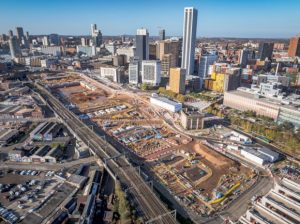
In total, 2,011 piles – each between six and 24 metres deep – have been installed to form the foundations for the new seven-platform high-speed station, which will stretch for more than 400 metres between Birmingham Moor Street railway station and Millennium Point. Once complete, the station will be covered by a vast arched roof inspired by the great railway architecture of the Victorian era.
This milestone demonstrates the scale of engineering expertise being delivered across HS2 and highlights the capability of the UK’s rail supply chain. Companies from across the sector are contributing specialist skills – from ground engineering and major civil structures through to systems integration, design and future railway operations.
Progress at Curzon Street is a powerful example of how collaboration across the supply chain enables the delivery of complex national infrastructure.
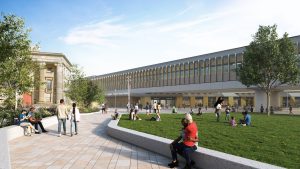
The station will also play an important role in the continued regeneration and economic growth of Birmingham and the wider West Midlands. Plans for the surrounding area include a new station square facing Moor Street Queensway, landscaped green spaces, tree-lined promenades and improved walking and cycling connections linking the station with the wider city.
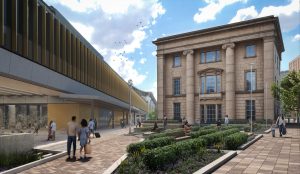
A new eastern entrance connecting to Digbeth will include a tram stop, taxi access and improved cycle facilities, while a new public square will face the historic Old Curzon Street railway station – one of the world’s oldest surviving railway buildings.
As well as transforming connectivity for Birmingham, HS2 will strengthen the wider national rail network. By creating dedicated high-speed capacity, the railway will help free up space on the existing West Coast Main Line – enabling additional regional, commuter and freight services on one of the country’s busiest corridors.

This combination of improved connectivity, economic opportunity and supply chain innovation underlines the importance of delivering better connected rail infrastructure for the UK.
Projects such as Curzon Street demonstrate how major rail investment can support regional growth while also showcasing the expertise, innovation and capability of the rail supply chain.